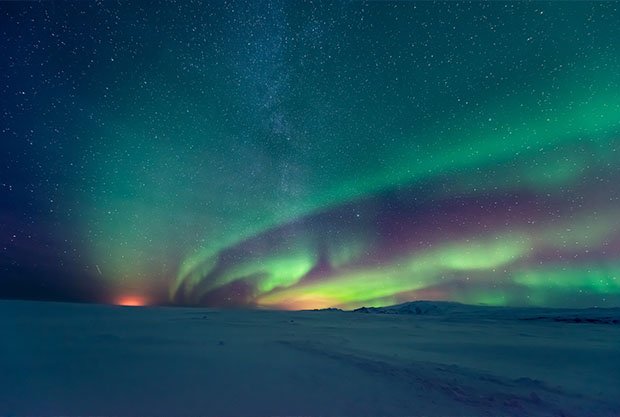
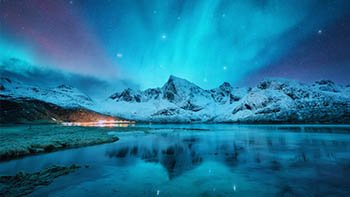
Experience one of nature’s most spectacular phenomena with an unforgettable Northern Lights Safari in Norway. Known as the Aurora Borealis, the Northern Lights create a breathtaking display of shimmering colors dancing across the dark Arctic sky.
Northern Norway, particularly regions around Tromsø and the areas above the Arctic Circle, offers some of the best conditions in the world to witness this natural wonder. During a Northern Lights safari, experienced guides take you away from city lights into remote wilderness locations where the skies are clearer and darker.
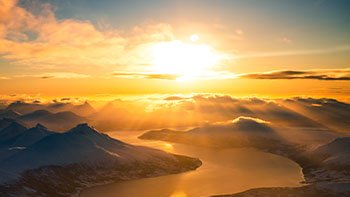
Surrounded by snowy landscapes and peaceful Arctic scenery, you will wait for the magical moment when green, purple, and pink lights appear across the night sky — a truly unforgettable experience.
What to Expect
Your Northern Lights Safari typically begins in the evening with a transfer from a nearby city such as Tromsø. Guides carefully monitor weather forecasts and aurora activity before selecting the best location for viewing.
The safari may involve traveling to remote valleys, frozen lakes, or mountain viewpoints where the sky is dark and clear. While waiting for the aurora to appear, guides often share interesting facts and local stories about the Northern Lights.
If the aurora becomes visible, you will witness a magical display of glowing lights moving gracefully across the sky — a moment that creates unforgettable memories.
Best Time to See the Northern Lights
The Northern Lights are typically visible from September to March, when nights are long and dark.
September – October – Mild temperatures and early aurora season
November – January – Long winter nights and frequent aurora activity
February – March – Clear skies and beautiful snowy landscapes
Duration
Usually 4–6 hours, depending on weather conditions and aurora activity.
Highlights
Witness the Northern Lights
See the magical Aurora Borealis illuminating the Arctic sky with vibrant colors.
Guided Aurora Hunting
Travel with experienced guides who track weather conditions and solar activity to find the best viewing locations.
Explore Arctic Wilderness
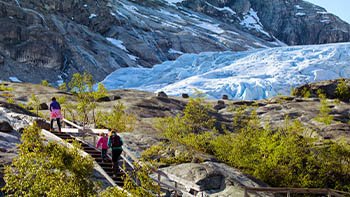
Journey through snowy landscapes, frozen lakes, and remote areas far from city lights.
Comfortable Safari Experience
Stay warm with hot drinks, cozy campfires, or heated vehicles during the adventure.
Incredible Photography Opportunities
Capture stunning photographs of the Northern Lights against beautiful Arctic scenery.
A Once-in-a-Lifetime Experience
Witness one of the most extraordinary natural phenomena in the world.